U.S. Appeals Court rules Google not exempt from wiretap law in Wi-Spy suit
by John Simpson, Consumer Watchdog
Google’s Street View Cars not only were photographing the roads, but were also collecting data – including emails, documents, photos, passwords, and other private information – transmitted over Wi-Fi networks as the cars drove by. Read More ›
San Bruno blast: PG&E settles nearly all remaining lawsuits for a $565 million total
by Paul Rogers, San Jose Mercury News

Closing a major chapter in the catastrophic explosion of its natural gas transmission line that killed eight people and leveled a quiet suburban neighborhood, PG&E announced it has settled nearly all of the remaining victims’ lawsuits for $565 million. Read More ›
When will the golden Apple fall?

Apple’s September 10 introduction of two new iPhone models may impress many of its fans by offering products based on existing ideas or improvements on current versions, but product launches and slick marketing campaigns aren’t enough to keep the public from seeing through its façade. Read More ›
Revealed: How US and UK spy agencies defeat internet privacy and security
by James Ball, Julian Borger and Glenn Greenwald, The Guardian
US and British intelligence agencies have successfully cracked much of the online encryption relied upon by hundreds of millions of people to protect the privacy of their personal data, online transactions and emails Read More ›
9 debt myths debunked: Believe these and it will cost you
by Dana Dratch, CreditCards.com
From the perils of acknowledging old debts to the odds of “inheriting” financial obligations, here are nine myths that need to be permanently busted, along with a few things it pays to know about debts. Read More ›
Carcinogen outlawed in California found in 98 shampoos, soaps
by News Editor, Center for Environmental Health

Independent laboratory tests have identified 98 shampoos, soaps, and other personal care products sold by major national retailers that contain a chemical outlawed in California as a carcinogen. Read More ›
World leaders push big companies to pay more taxes
by Angela Charlton, Associated Press, San Jose Mercury News

New rules on taxes would make it harder for Google, Apple and other multinational companies to hide profits in tax havens and force them to pay tax in the countries where they make money. That’s the message the leaders of the world’s leading economies sent to cross-border giants at the G20 summit. Read More ›
AB 261 limits fees charged by residential care facilities for the elderly (signed into law)
The bill will forbid the imposition of post-death fees once the resident’s personal property has been removed from the facility, and will end the bizarre practice of requiring residents give advanced notice of their death. Read More ›
AB 658 closes a loophole on medical app privacy (signed into law)
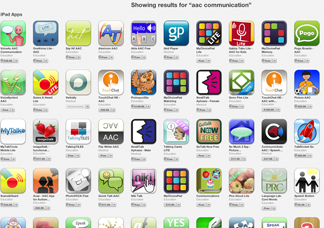
One of the biggest concerns with smartphones in medical care is the potential breach of confidentiality. CFC supports AB 658, which closes the medical-app privacy loophole. Read More ›
Report: Americans’ worries about internet privacy go beyond NSA surveillance
by Marina Koren, National Journal

Americans are stockpiling their privacy. According to a new Pew survey, 86 percent of Internet users across the country have taken measures to delete or mask their digital footprints. They clear their cookies, encrypt emails, and log on to networks that obscure their IP addresses. Read More ›
Google argues for right to continue scanning Gmail
by Martha Mendoza Associated Press, Inside Bay Area
Google’s attorneys say their long-running practice of electronically scanning the contents of people’s Gmail accounts to help sell ads is legal, and are asking a federal judge to dismiss a lawsuit that seeks to stop the practice. Read More ›
Should everyone have the right to a break during the work day?
by Chris Morran, Consumerist

Surprisingly, it is perfectly legal in most states for employers to not give employees any rest during the time they are on the clock. Read More ›
California abruptly drops plan to implant RFID chips in driver’s licenses
by David Kravets, Wired
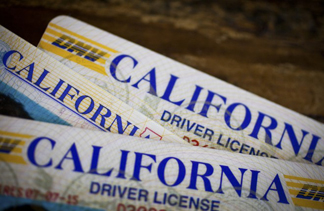
Following complaints from privacy groups, California lawmakers suspended legislation to embed radio-frequency identification chips, or RFIDs, in its driver’s licenses and state identification cards. Read More ›