Appeals Court OKs Record Penalty Against PG&E
by Vanessa Blum, The Recorder

A California appeals court on Tuesday upheld a $14.35 million fine levied against Pacific Gas & Electric Co. by the California Public Utilities Commission for providing false information to the commission in the wake of the 2010 San Bruno pipeline explosion. … “Although the amount is large, so is the real and potential harm caused by PG&E’s inaction,” Justice James Richman wrote in a decision joined by J. Anthony Kline and Marla Miller. “PG&E does not argue that it lacks the ability to pay the fine.” The company said in a statement Tuesday evening that it does not plan to appeal the court’s ruling. Read More ›
Uber Is Facing A Potentially Huge Blow In California
by Ben Geier, Fortune

In a decision that has the potential to alter — and perhaps cripple — Uber’s business model, the California Labor Commission has ruled that drivers for the ride-hailing service are employees of the company rather than independent contractors. Right now, as Business Insider notes, Uber faces virtually no expenses for the more than one million drivers who give rides using the service. If the ruling holds, though, all of those people become employees of the company, and that exposes Uber to such costs as Social Security, workers’ compensation, and unemployment insurance. Read More ›
Abusive Lending Practices Can Lead To Negative Long-Term Consequences For Borrowers, Communities
by Ashlee Kieler, Consumerist
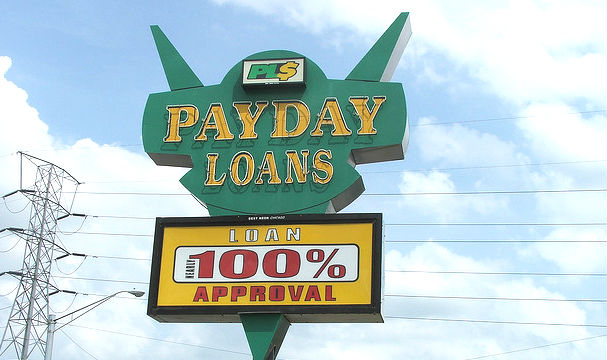
If a borrower has one abusive loan, they may be more likely to struggle with their other debts. This can lead to stressed household finances, more subprime borrowing, and even default. Those stresses then have a way of trickling into other aspects of a consumer’s life, and even their community. Read More ›
California Assembly Member Pulls Auto Recall Bill As Opposition Mounts
by Jerry Hirsch, Los Angeles Times

Assemblyman Rich Gordon (D-San Mateo) said he notified the state Senate that he plans to hold AB 287, titled the Consumer Automotive Recall Safety Act, until next year to see if he can establish a consensus among dealers and a growing opposition. … Consumer advocates praised Gordon’s move. “The whole concept of allowing dealers to sell recalled cars is bad news for consumers,” said Rosemary Shahan, president of Consumers for Auto Reliability and Safety. “No one else in the industry thought this was a good idea.” Read More ›
California’s Largest Nursing Home Owner Under Fire From Government Regulators

Since 2006, [Shlomo] Rechnitz and his primary company, Brius Healthcare Services, have acquired 81 nursing homes up and down the state, many of them through bankruptcy court. His chain has grown so quickly that he now controls about 1 in every 14 nursing home beds in California, giving him an outsized influence on quality of care in the state. … Between October and January, three of Rechnitz’s facilities, including South Pasadena, were decertified by the federal government, an economic kiss of death that is extremely rare. The punishment strips a nursing home of its crucial Medicare funding until it can demonstrate improvement, or is closed or sold. Read More ›
California Groups Say CarMax Sells Unsafe Used Vehicles
by Mark Glover, The Sacramento Bee
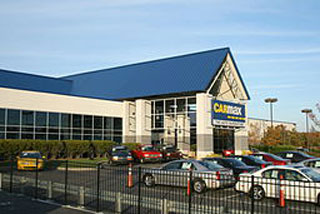
“CarMax is playing recalled car roulette with its customers’ lives and endangering the safety of others who share the roads,” said Rosemary Shahan, [Consumers for Auto Reliability and Safety president]. … The report released Wednesday said “approximately 9 percent of all cars recently offered for sale at that location had an unrepaired federal safety recall.” The report said 34 of 386 vehicles for sale at a local CarMax on May 26-27 were subject to safety recalls. The report listed defects including engines that could stall, possible air bag failure, worn parts, key systems failures and bad electrical connections. Read More ›
How Recalls Work (And Don’t) And Why They’re All So Different
by Kate Cox, Consumerist
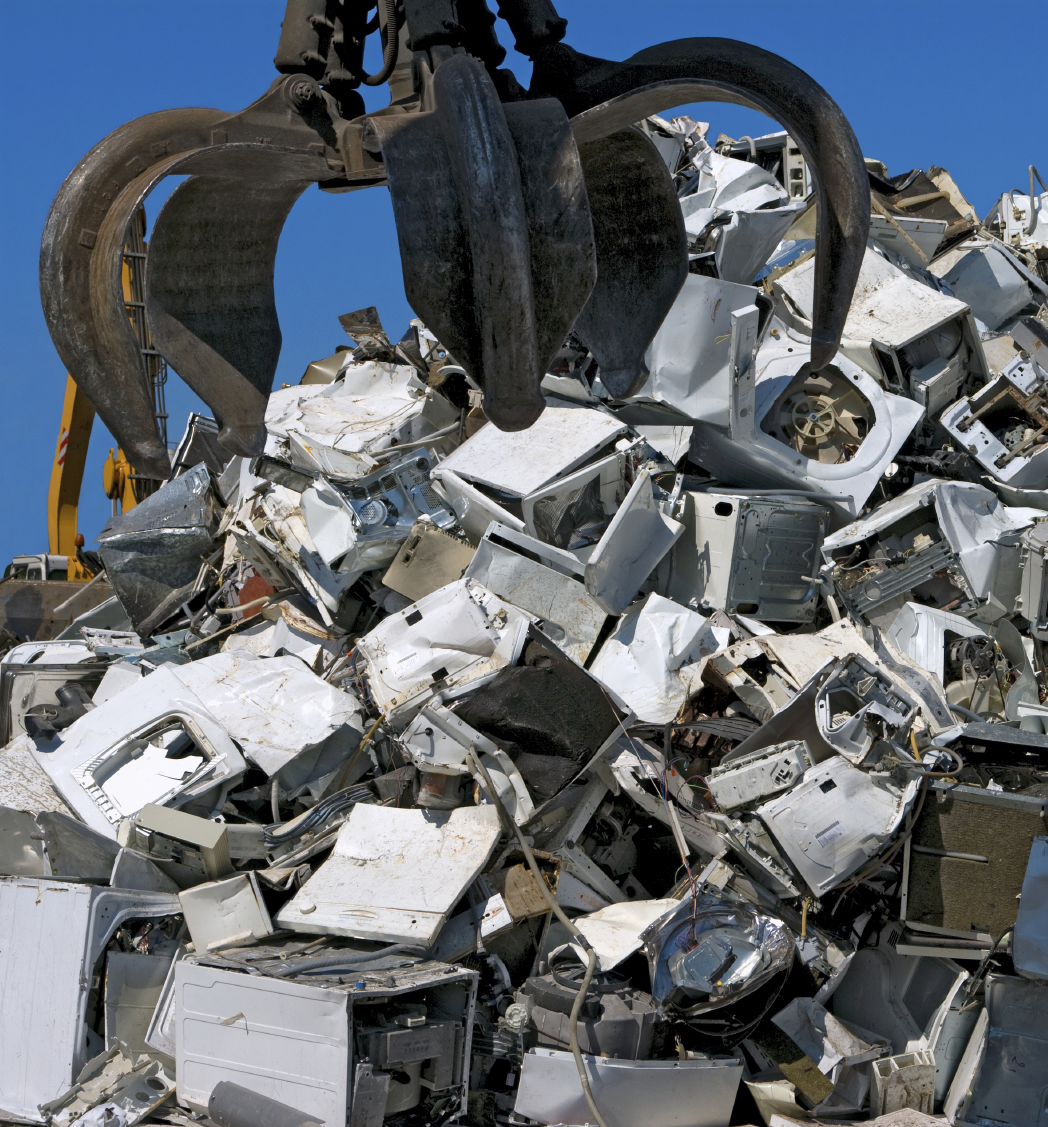
Where do recalls come from, and how are they handled? … The government maintains a one-stop shop website for listing recalls, but there is no National Bureau of Recalls… as much as it might help consumers if there were. Instead, a patchwork arrangement of four independent agencies is responsible for consumers’ health and safety. The agencies each cover a different aspect of health and safety — food, cars, medicines, household goods, and so on — and each of the four has a different process for initiating recalls and notifying consumers. Here’s how it all works. Read More ›
More Auto Title Lenders Are Snagging Unwary Borrowers In Cycle Of Debt
by Jim Puzzanghera, Los Angeles Times

“I look at title lending as legalized car thievery,” said Rosemary Shahan, president of Consumers for Auto Reliability and Safety, a Sacramento advocacy group. “What they want to do is get you into a loan where you just keep paying, paying, paying, and at the end of the day, they take your car.” … In California, the number of auto title loans jumped to 91,505 in 2013, the latest data available, from 64,585 in the previous year and 38,148 in the first year, 2011, that was tracked by the state Department of Business Oversight. Read More ›
Key CPUC Reform Gets Unplugged
by Jeff McDonald, San Diego Union-Tribune
When parties believe the commission has failed to follow the law in making a decision, their only option is to make that case to the commission itself, not a judge. If the commission rejects the challenge, the case can be taken to a state appeals panel, which may review the matter. … The utilities commission is in a rare position among government agencies, in being entrusted as an impartial arbiter of its own decisions. If a City Council makes a decision that runs counter to the state Government Code or other laws, a citizen can take the matter to court. Read More ›
California Senate OKs Requiring Warrants To Search Smartphones, Tablets
by Patrick McGreevy, Los Angeles Times

“What the bill does is brings our state statute into the 21st century to catch up with technology with regards to privacy,” [bill author Senator Mark] Leno told his colleagues. “Of course law enforcement needs a warrant before it can go into your mailbox and read your mail, but it does not currently need a warrant to read your emails or text communications or other electronic communications.” … Leno introduced a similar bill two years ago but it was vetoed by Gov. Jerry Brown. Read More ›
Price Of A Common Surgery Varies From $39,000 To $237,000 In L.A.
by Chad Terhune and Sandra Poindexter, Los Angeles Times

The average charge nationwide for a major joint replacement operation was $54,239, according to federal figures. Joint replacement surgeries are Medicare’s most common inpatient procedure, costing the federal government more than $6.6 billion in 2013. Overall, the latest data show what hospitals charged and what Medicare paid for 100 of the most common inpatient stays and the 30 most common outpatient procedures. The inpatient data cover more than $62 billion of Medicare money. Read More ›
Secret Business Recording Of Customer Cell Phone Calls Remains A Crime
SACRAMENTO – Assembly Bill 925 (Low), a bill to allow businesses to secretly record cell phone calls with customers, was held in the Assembly Appropriations Committee May 28. Secret phone recording remains a crime under California law. Read More ›
Ridesharing Drivers Often Stuck In Insurance Limbo
by Alice Holbrook, NerdWallet
Uber executives’ access to customer ride logs came under scrutiny last year, when a company manager referenced a reporter’s log during an interview. Some users were also disturbed by Uber’s use of ride logs to compile a study on customer hookups in 2012. Critics complain that the bill would make essential functions of TNCs, like using GPS to locate passengers, illegal. But [Richard Holober, executive director of the Consumer Federation of California] likens the regulations to medical privacy laws. “Even in a hospital, not just everyone is allowed to look at your medical records.” Read More ›